Seasonal Produce and the Quiet Logic of Weight Awareness
A nutritionist's record of how seasonal vegetables and fruit integrate into a weekly food pattern, and what that quiet relationship means for gradual weight balance through the year.
How an active lifestyle shapes the rhythm of daily meals, portion awareness, and the relationship between movement frequency and everyday food choices over a week.
A first-person record of portion awareness and meal rhythm across a seven-day period, exploring how home cooking and mindful eating contribute to gradual weight change.
Observations on how daily food selections relate to weight awareness and nutritional balance, drawn from first-hand practice and published nutritional research.
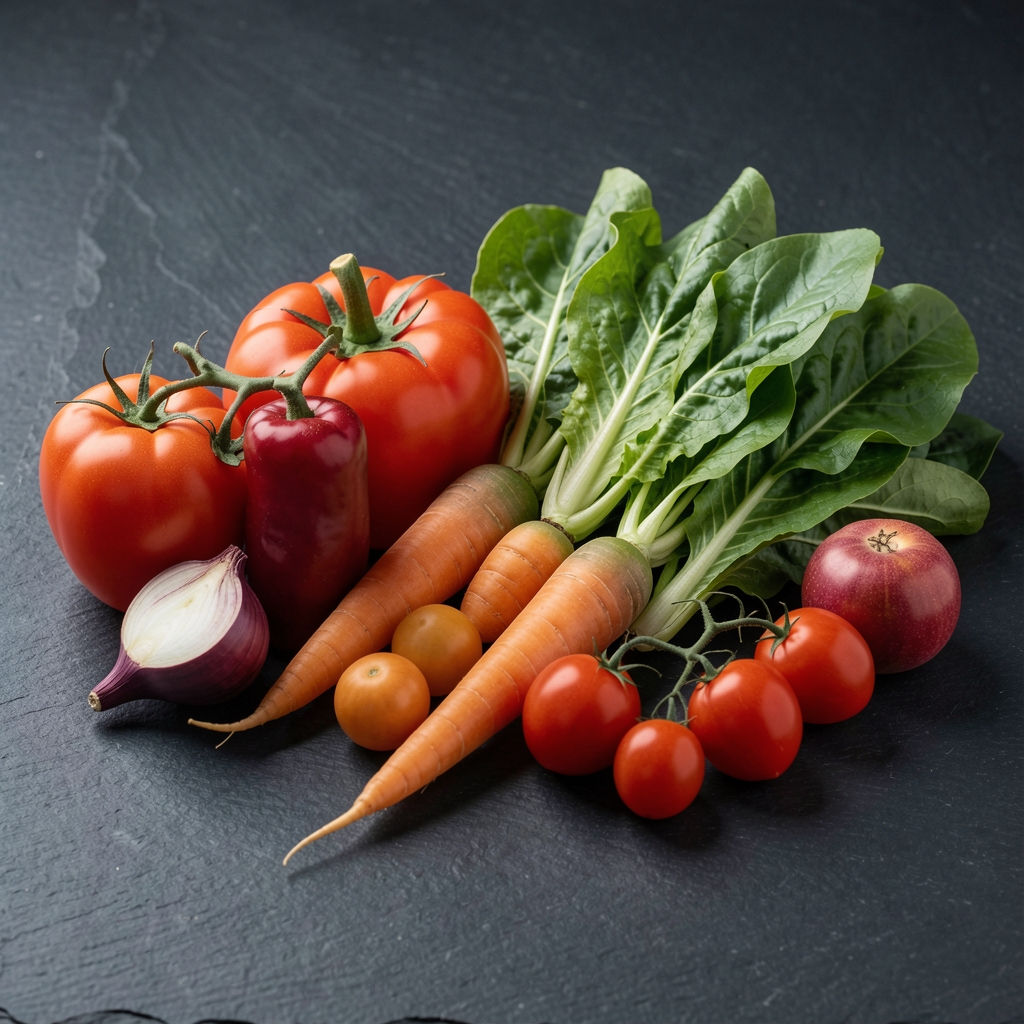
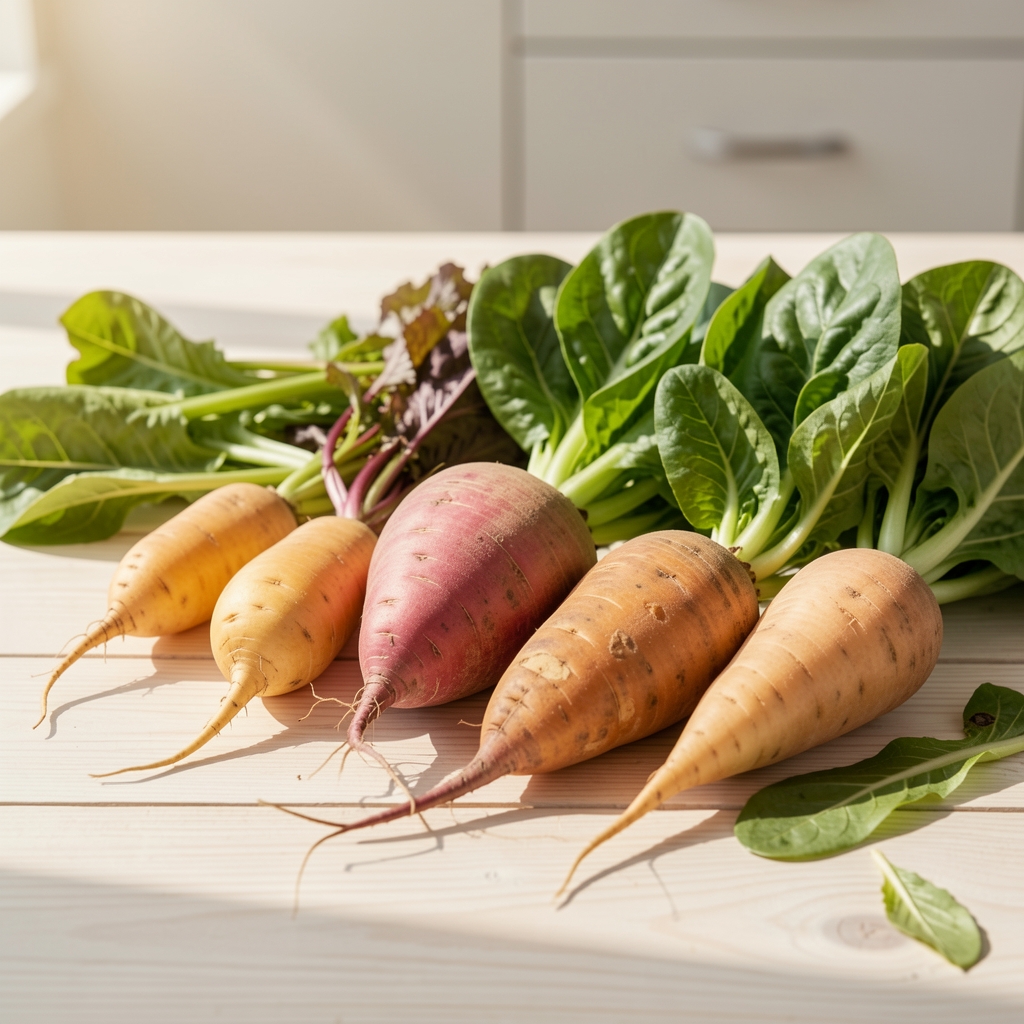
The seasonal rhythm of vegetables and fruit in a weekly diet. How produce availability shapes nutritional variety and supports a sense of fullness between meals.
How an active lifestyle — including low-intensity daily walking and regular sport — relates to eating patterns and the gradual balance between energy intake and output.
Exploration of plant-based meals, protein-rich whole foods, and the practical shift away from processed food reliance towards home-cooked, ingredient-aware cooking.
Slow eating practices, food journalling, and the observation of one's own relationship with food — including portion awareness and the rhythm of meals across a week.
Macronutrient awareness, dietary variety, and the sustained energy that comes from a considered, evidence-informed approach to daily nutrition habits.
Bolen Letters is an independent editorial publication focused on everyday nutrition practices and weight awareness. The publication is not affiliated with any commercial, governmental, or institutional body.
Each piece is reviewed by a second editor before publication. Sources are cited where appropriate, and writers disclose any relationships that could influence their selection of subject matter. The journal covers diet and weight from a nutritionist perspective — measured, evidence-informed, unhurried.
Read About the Team
Short answers drawn from the Bolen Letters editorial perspective. For specific personal routines, we recommend speaking with a qualified nutrition professional.
A whole foods approach centres on cooking from ingredients rather than from packaged products — choosing seasonal vegetables, fruit, legumes, whole grains, and protein-rich foods in their least processed form. It allows portion and ingredient awareness to develop naturally over time.
Seasonal produce tends to arrive at peak nutrient density, which supports dietary variety and a sense of fullness between meals. Rotating what is on the plate throughout the year also introduces natural variation in fibre, vitamins, and macronutrient composition.
Food journalling is the practice of recording what one eats across a day or week — not to count calories but to observe patterns. It often reveals whether vegetables and fruit are present at most meals, whether portion sizes are consistent, and where processed food reliance is highest.
Low-intensity regular movement — daily walking, cycling, or consistent light sport — supports an active daily rhythm that relates to eating patterns. The frequency and consistency of movement tends to matter more than intensity for gradual weight balance over time.
Gradual weight change refers to the slow, sustainable shifts that occur when everyday eating patterns and activity levels are adjusted consistently over months rather than days. The journal does not promote rapid or extreme approaches; all editorial content reflects a long-term, lifestyle-based perspective.
“Seven vegetables. One week.
A record of what shifts
when the plate is observed.”
Bolen Letters · Editorial Note · 2026